

Threats
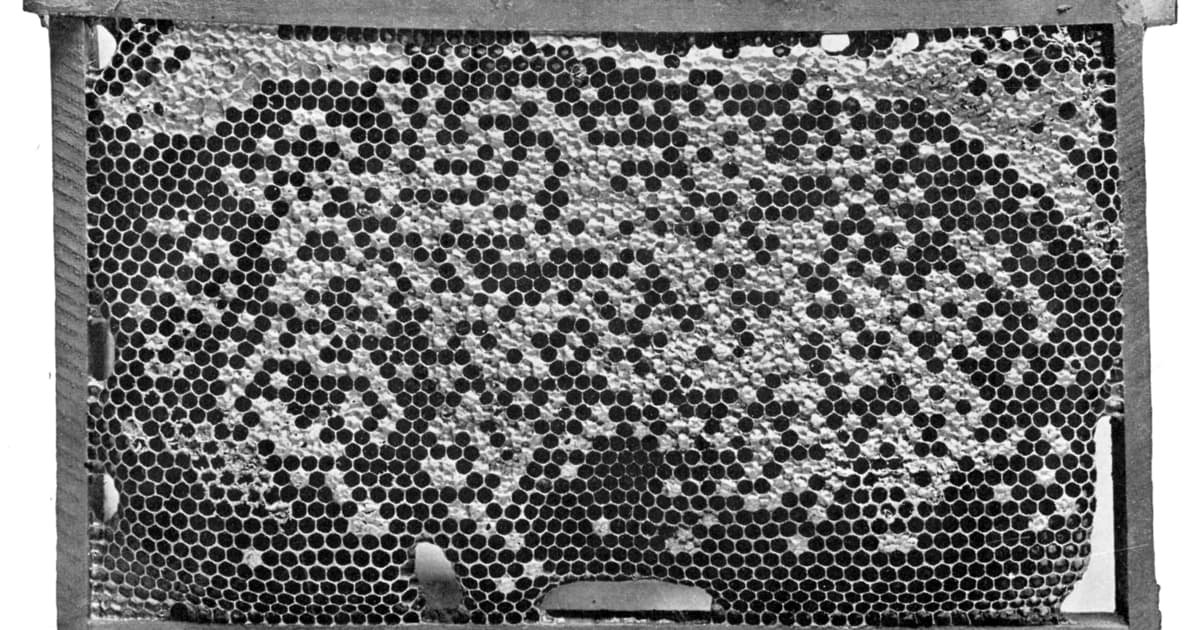
European Foulbrood in Honey Bees: What EFB Is Telling You
European foulbrood in honey bees kills larvae before cells are capped. Here’s how to identify EFB, distinguish it from AFB, and manage colonies without reaching for antibiotics first.
Be Wild. Keep Bees.
We run managed beehive leases across Central Texas so your acreage can qualify for an agricultural use valuation on your property taxes. The bees we put on your place are our own hardy stock. You hire the beekeeping done, same as brush clearing or fence work. The honey your land makes belongs to you.
Stock and standards
Heat, dearth, and shifting bloom times decide which colonies make it in Central Texas, so those are the conditions we breed against. We grade a colony on whether it survived the year, what its mite wash showed, and how the queen is laying. Honey is last. The honey we sell comes off our own yards. If somebody wants honey of their own and has no land for a hive, we'll keep one on ours and the crop goes to them.
Straight Talk
These are the bees that would be standing on your land. Your county sets a hive count for your acreage, and our colonies stay on the land year-round. We breed for stock that holds up here. If your property or the season isn't right for it, we'll tell you before you spend a dollar.
Be an Outlaw
We breed the stock and we run the leases. Read how we keep bees before you put any on your land.
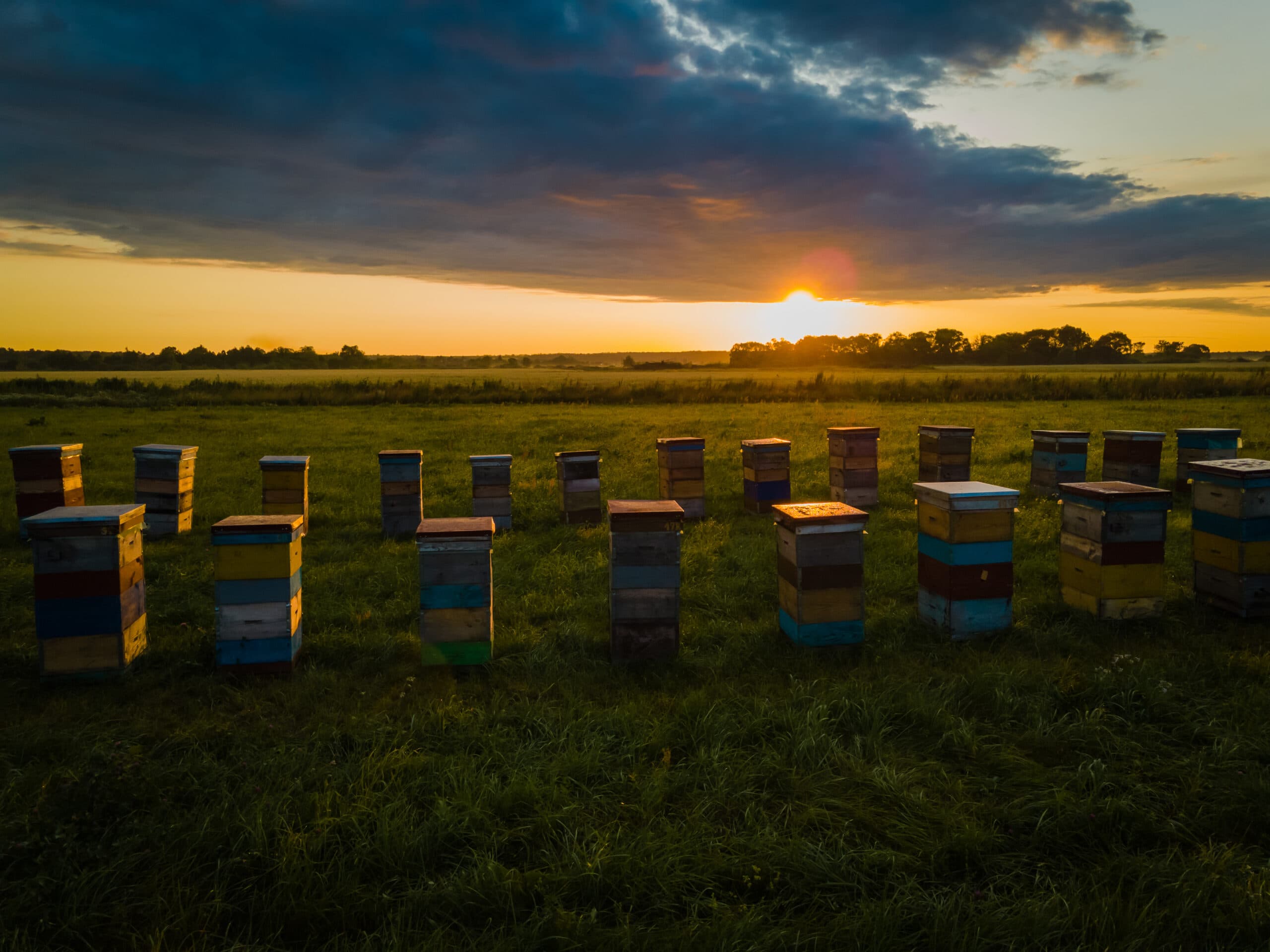
Texas law lets beekeeping qualify land between 5 and 20 acres for the 1-d-1 agricultural use valuation. We place the hives, work them year round, and hand you the documentation your appraisal district wants by April 30.
How the Lease Works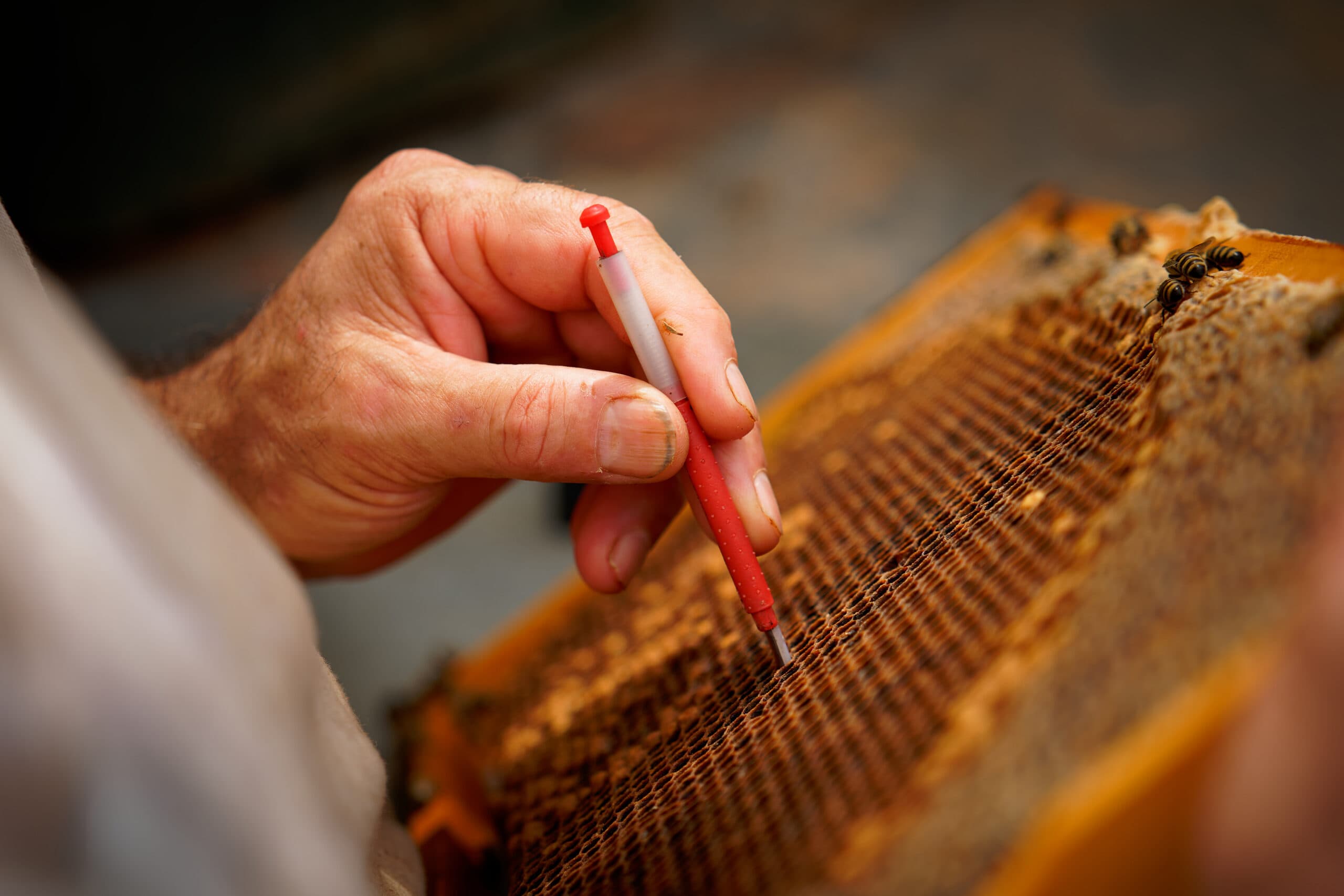
Survival first, then varroa resistance, then the queen, and honey last. We breed from the colonies that hold up, and requeen the ones that don't. Here's what we select for, and what we cull.
How We Keep Bees →European foulbrood in honey bees kills larvae before cells are capped. Here’s how to identify EFB, distinguish it from AFB, and manage colonies without reaching for antibiotics first.
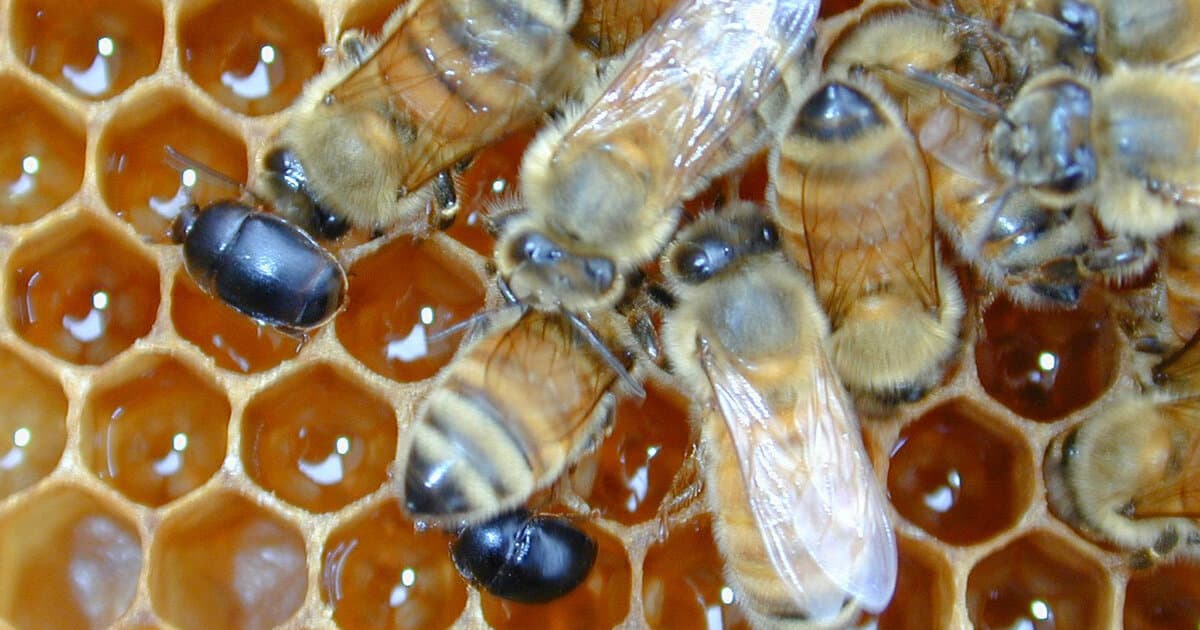
Small hive beetle is established in Texas, active year-round. Here’s the biology, what larvae do to a colony, and why colony strength is the entire SHB program at Honey Outlaws.
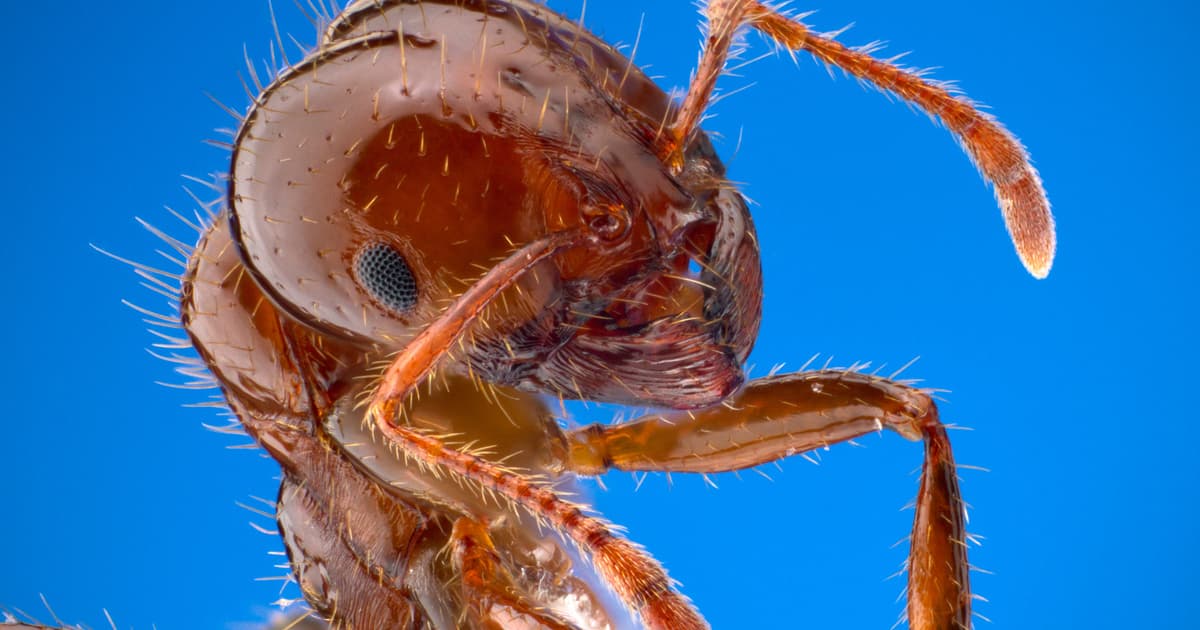
Fire ants are part of beekeeping across the eastern two-thirds of Texas, but they only raid weak colonies. Here’s how to keep hives strong, band the stand, and bait the mound.
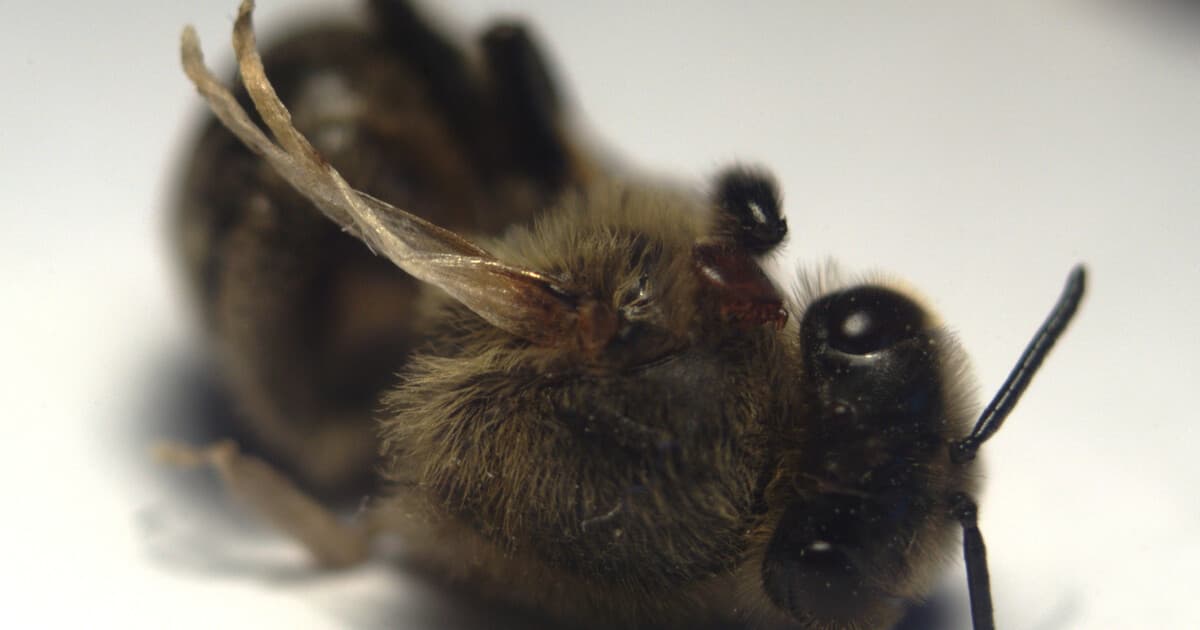
Deformed wing virus stays harmless on its own. Varroa is what makes it lethal, carrying it straight into developing pupae. Here’s what DWV does and why controlling mites is your only defense.
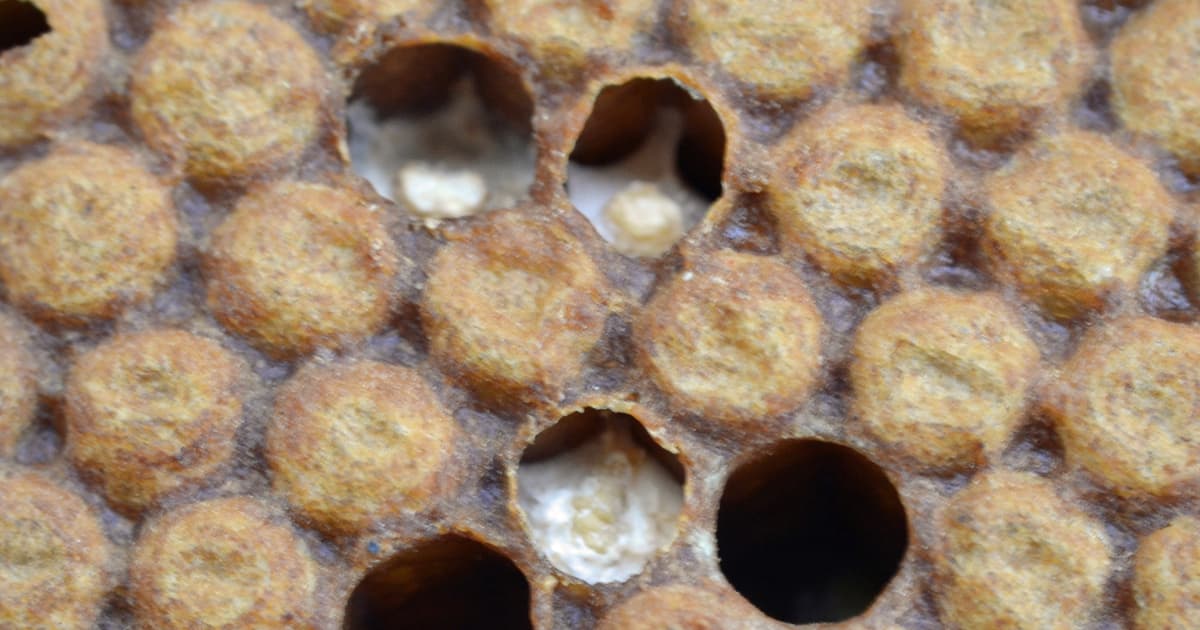
Chalkbrood in honey bees is usually self-limiting. Here’s why some colonies clear it and others don’t, and what to do when it keeps coming back.
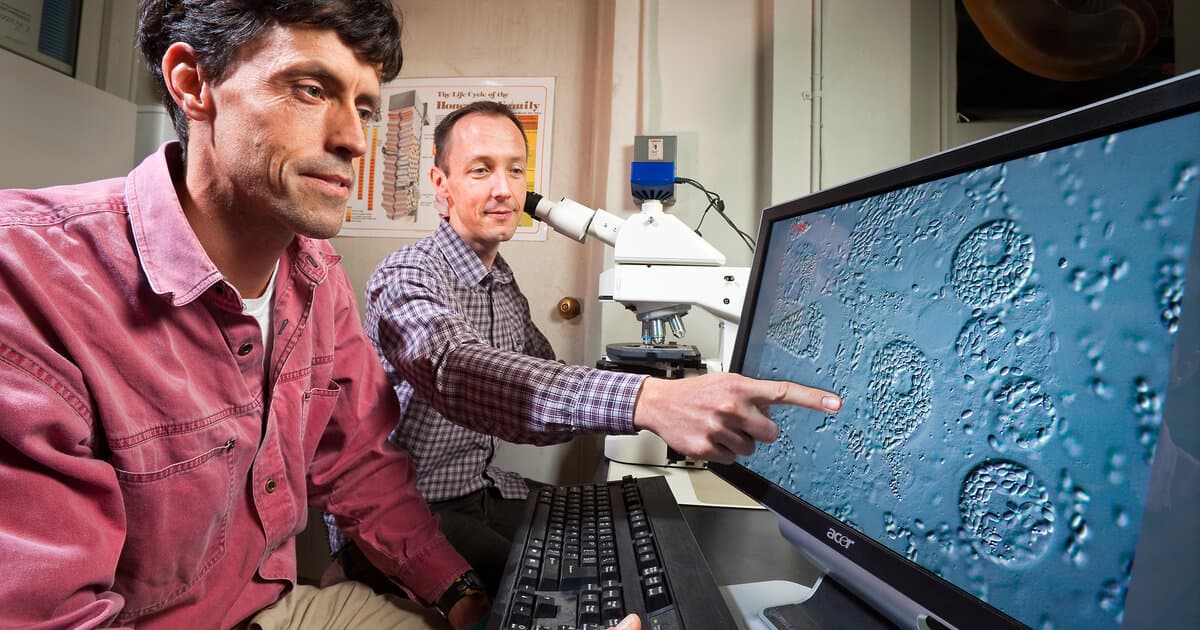
Nosema ceranae causes invisible colony decline in honey bees, no dysentery, no obvious signs. Here’s what it does, how it differs from Nosema apis, and why there’s still no reliable fix.
Be Wild. Keep Bees.
The exemption runs on parcels between 5 and 20 acres, and your county wants the paperwork by April 30. Tell us what you've got and we'll tell you whether it works.
See If Your Land Qualifies